
Kristin Hannah’s 2024 novel, The Women, shines a long-overdue spotlight on the female combat nurses who served during the Vietnam War. Following the extraordinary success of The Nightingale and The Four Winds, Hannah returns with another deeply emotional piece of historical fiction. If you are looking for a complete guide to The Women book, including its plot, historical background, core themes, and critical reception, this comprehensive overview covers every detail readers need before or after diving into the story.
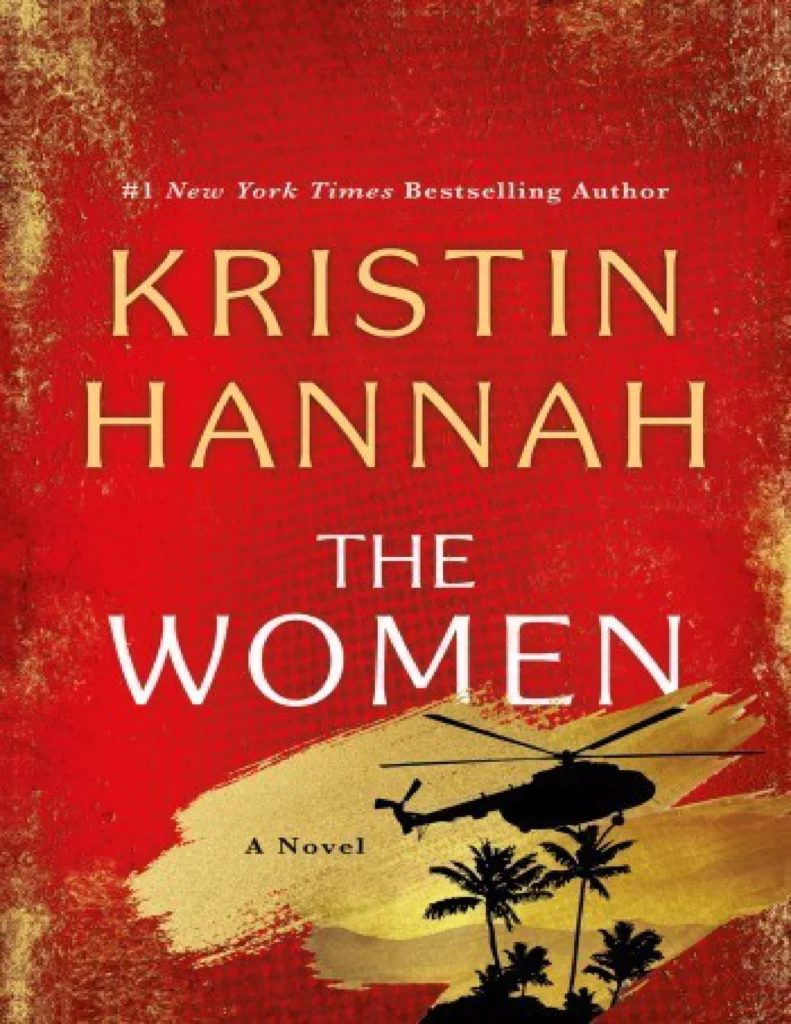
Book Overview
- Title: The Women
- Author: Kristin Hannah
- Publication Date: February 6, 2024
- Publisher: St. Martin’s Press
- Genre: Historical Fiction / War Drama
- Setting: Coronado, California; Vietnam (Cu Chi and Pleiku); San Francisco, California
- Main Character: Frances “Frankie” McGrath
- Page Count: Approximately 480 pages
What Is The Women Book About?
The core appeal of The Women book lies in its unprecedented narrative angle: telling the story of the Vietnam War strictly through the eyes of the young women who treated the wounded, witnessed the devastation, and returned home to a nation that refused to acknowledge their service.
When readers search for information on The Women book, they are typically looking to understand its premise, emotional weight, and historical accuracy. Kristin Hannah crafts a narrative that is equal parts coming-of-age story, wartime survival drama, and portrait of post-traumatic stress disorder (PTSD). By placing a 20-year-old nursing student at the center of the conflict, the novel contrasts the idealistic patriotism of mid-century suburban America with the brutal, chaotic reality of field hospitals in Southeast Asia.
Book Summary
The Women opens in 1967 on the sunny, affluent island of Coronado, California. Frankie McGrath has grown up in an ultra-conservative household where her family takes immense pride in their “heroes wall”—a display of portraits showcasing the military service of the McGrath men across generations. When Frankie’s beloved older brother, Finley, ships out to serve in the U.S. Navy in Vietnam, Frankie feels a call to duty. A chance conversation with one of Finley’s friends plants a transformative idea: “Women can be heroes, too.”
Driven by patriotism and a desire to make her father proud, Frankie enlists in the Army Nurse Corps, despite having minimal surgical experience. Upon arriving in Vietnam, she is thrust immediately into the horrific chaos of a surgical hospital near Cu Chi. In conditions filled with mud, heat, blood, and constant incoming fire, Frankie quickly learns the brutal art of trauma nursing. Under the guidance of seasoned nurses like Ethel and Barb, who become her lifelong friends and emotional lifeline, Frankie transforms into an exceptionally skilled combat nurse, eventually transferring to an even more dangerous evacuation hospital in Pleiku.
During her two tours of duty, Frankie experiences intense camaraderie, deep romantic love, devastating loss, and constant exposure to catastrophic human suffering. However, the tragedy of her journey does not end when her tour of duty concludes.
When Frankie returns home to America, she faces a hostile public protesting the war, a family ashamed of her involvement, and a government system that repeatedly tells her, “There were no women in Vietnam.” Struggling with severe, undiagnosed PTSD, grief, and addiction, Frankie must fight a new, internal war to rebuild her life, gain recognition for her service, and find healing alongside her fellow women veterans.
Main Characters
Frances “Frankie” McGrath
The protagonist of the story. Frankie begins as a naive, dutiful young woman from a wealthy California family. Her experience as a combat nurse tempers her into a resilient, highly capable medical professional, but her wartime trauma leaves deep psychological scars that she must spend years navigating upon her return home.
Barb and Ethel
Frankie’s fellow Army nurses and core support system in Vietnam. Barb, a Black nurse from Georgia, provides sharp wisdom and grounded strength, while Ethel, a straight-shooting nurse from Virginia, brings humor and unwavering loyalty. Together, the trio forms an unbreakable bond that persists long after they leave the battlefields.
Finley McGrath
Frankie’s cherished older brother whose enlistment triggers Frankie’s decision to join the Army Nurse Corps. His destiny in Vietnam serves as a major emotional catalyst for Frankie’s arc.
Jamie Callahan and Rye Walsh
Two military officers who enter Frankie’s life during her deployment, representing romantic connection, emotional refuge, and deep personal complications amid the stress of war.
Themes in the Book
Female Erasure in Military History
The central thematic pillar of the novel is the societal denial of women’s contributions to the war effort. Upon returning to the United States, Frankie is repeatedly told by medical professionals, veterans’ organizations, and civilians that female personnel did not serve in Vietnam. Hannah highlights how this systemic erasure exacerbated the trauma of returning female veterans, denying them access to medical care, psychological support, and public recognition.
Friendship and Sisterhood as Survival
While romantic relationships play a role in Frankie’s story, the bond between Frankie, Barb, and Ethel forms the emotional core of the book. Hannah demonstrates how shared trauma creates a unique form of sisterhood. The mutual support among these women becomes their primary defense mechanism against both the horrors of the triage room and the isolation of civilian reintegration.
The Psychological Toll of War (PTSD)
Unlike many historical novels that end when the conflict ceases, The Women devotes significant focus to the post-war period. Hannah explores the physical and psychological symptoms of PTSD, substance dependency, and emotional numbness. The novel candidly illustrates how trauma metastasizes when met with societal shame and familial silence.
Patriotism versus Reality
Frankie begins her journey holding a romanticized, idealized view of American duty and sacrifice. Her experiences in the evacuation hospitals force a painful reckoning with the political complexities, human waste, and institutional dishonesty surrounding the war, prompting a reevaluation of what true patriotism means.
Setting and Historical Context
The narrative spans from 1967 to the late 1970s and early 1980s, anchoring its plot in key historical moments of the Vietnam War era.
- Surgical and Evacuation Hospitals (Cu Chi and Pleiku): The scenes set in Vietnam depict the high-volume trauma care required during major offensives, including the 1968 Tet Offensive. Nurses worked grueling 36-hour shifts under artillery fire, treating burn victims, amputees, and catastrophic shrapnel wounds with limited supplies.
- The Anti-War Movement and Public Backlash: When veterans returned to the United States during the late 1960s and early 1970s, they were met with public hostility, political division, and widespread indifference. The novel portrays how returning home was often as psychologically traumatic for service members as the deployment itself.
- The Vietnam Women’s Memorial: The latter portion of the book reflects the historical movement during the late 20th century to recognize the approximately 10,000 American military women—and thousands of civilian volunteers—who served in Vietnam.
Editorial Book Review
Kristin Hannah’s The Women is a powerful, emotionally charged work of historical fiction that successfully expands the popular consciousness surrounding the Vietnam War.
Narrative Strengths
Hannah’s greatest strength in The Women is her commitment to visceral detail during the medical sequences. The scenes set inside the field hospitals are rendered with stark clarity, conveying the relentless noise, blood, and urgency of military triage. By focusing on the medical staff rather than combatants on the front lines, the narrative highlights a different dimension of wartime sacrifice—the daily struggle to repair human bodies under extreme constraints.
Furthermore, the post-Vietnam section of the book elevates the narrative beyond standard historical romance or adventure. Hannah does not shy away from the messy, non-linear reality of trauma recovery, illustrating Frankie’s descent into addiction and isolation with empathy and candor.
Characterization and Pacing
Frankie McGrath is a well-drawn protagonist whose emotional evolution feels earned. Her transition from an inexperienced suburban girl to a hardened combat nurse is believable and compelling. The supporting cast, particularly Barb and Ethel, provide essential balance and warmth to an otherwise grueling story.
Regarding pacing, the Vietnam sequences are fast-paced, immersive, and intense. The post-war section slows down deliberately to match the heavy, disorienting experience of Frankie’s reintegration into society, though some readers may find the accumulated personal tragedies in the second half of the book particularly heavy.
Potential Limitations
As with many of Hannah’s works, the novel leans heavily into melodramatic plot twists in its second half. Certain romantic subplots and tragic coincidences feel somewhat scripted compared to the gritty realism of the hospital scenes. However, these narrative choices do not diminish the ultimate emotional resonance or historical value of the story.
Who Should Read This Book?
- Fans of Historical Fiction: Readers who enjoyed The Nightingale, The Alice Network, or The Things They Carried will appreciate this perspective on wartime history.
- Readers Interested in Medical Dramas: Those drawn to stories featuring emergency medicine, nursing, and military healthcare will find the trauma care sequences gripping and authentic.
- Anyone Seeking Women’s History: Readers passionate about unsung historical figures and female solidarity will find the novel deeply satisfying.
Frequently Asked Questions
Is The Women based on a true story?
While The Women is a fictional novel and Frankie McGrath is a fictional character, the book is thoroughly researched and inspired by the real experiences of thousands of Army, Navy, and Air Force nurses who served in the Vietnam War.
Does The Women book have a happy ending?
The ending is realistic and hopeful rather than purely neat. While Frankie endures immense hardship, grief, and trauma, the story concludes on a note of healing, self-acceptance, and long-overdue recognition.
Are there major spoilers readers should avoid before reading?
Yes. The second half of the novel contains several significant plot twists regarding Frankie’s family, relationships, and fellow veterans. Readers picking up the book for the first time should avoid detailed plot breakdowns if they prefer to experience the story unspoilered.
What war takes place in Kristin Hannah’s The Women?
The novel is set during the Vietnam War, specifically focusing on the period between 1967 and the years following the U.S. withdrawal.
How does The Women compare to Kristin Hannah’s The Nightingale?
Both books focus on women’s courage and survival during wartime. While The Nightingale examines resistance in occupied France during World War II, The Women focuses on American combat nurses during the Vietnam War and the difficult process of returning home to an unwelcoming country.
Final Thoughts
Kristin Hannah’s The Women serves as both an engrossing historical drama and an important act of literary recognition. By centering the story on Frankie McGrath and her fellow combat nurses, the novel ensures that the sacrifices of female military personnel during the Vietnam War are brought out of the shadows. For readers seeking an immersive, deeply emotional narrative grounded in historical reality, The Women book stands out as one of the most compelling works of historical fiction in recent years.